Whenever I plot a journey to Rome, I like to look though TripAdvisor to get an idea of where I can eat. Lo and behold, Luk, one of my most frequented restaurants in Rome, was #3. Out of 10,000+ restaurants!
Naturally, I had to return. When I studied at Roma Tre, I would eat at Luk at least three times a week. Everything about this place is appealing. The understated outward appearance; family run; few tables. While Luk is not situated in the friendliest area of Rome, it provides an air of exclusivity. Each time I went at a conventional dining hour, the queue stretched out the door. Even Romans are willing to wait for this perfect panini!
Of course, Panineria Luk does not sell only paninis, they are famed for their burgers. Priced at a modest £5, these double as the best and cheapest burgers in the Eternal City. It brings me great joy to be able to recommend Luk to you personally. He and his brother came to know me so well, I would not even need to order when I entered, they would make my usual right away!
Now without further ado; photographic evidence of the culinary masterpiece that is a Luk Burger:
Oh yes, the dangling pancetta; top quality beef burger cooked perfectly; homemade caccio e pepe mayonnaise and sun dried tomatoes in olive oil… This is Luk’s burger.
Luk makes all his own condiments. These include my two favourites; mayonnaise caccio e pepe and his truffle mayonnaise. But there are about 16 potential toppings and none of them are extra. It is 4.50€ for a burger. £5 with a drink at lunch. There is a 50c surcharge at night.
In all, you won’t find a better burger in Rome for this price. Have a look at my old Roma Tre law school while you’re there, it’s quite impressive.
Did you get the pun in the title? I hope it didn’t fly over your head.
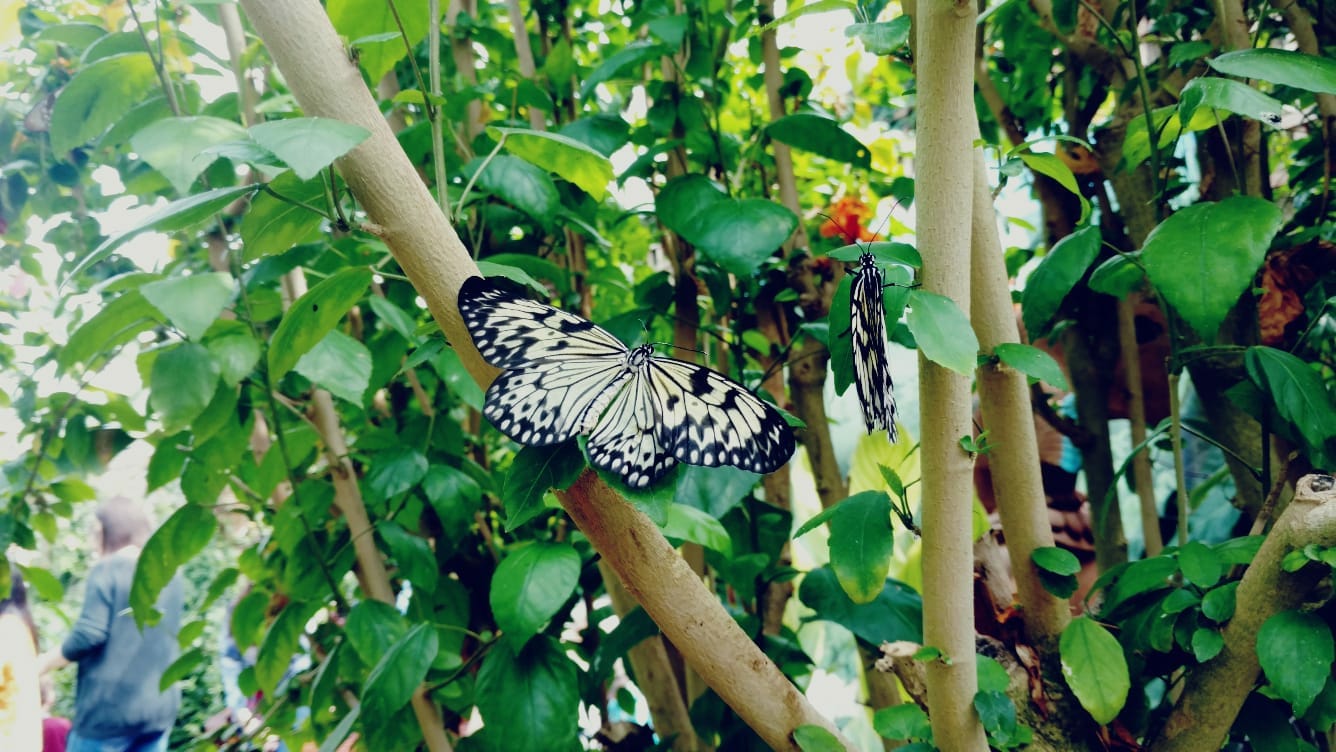
I suppose a part of me always knew of the existence of Stratford Butterfly Farm. Why it took me four years to go here, I’ll never know. But now I am imbued with a delicate desire to return. Be wary of torrential toddlers. Although they are not half as revolting as their putrid parents; they’ll certainly make themselves heard.
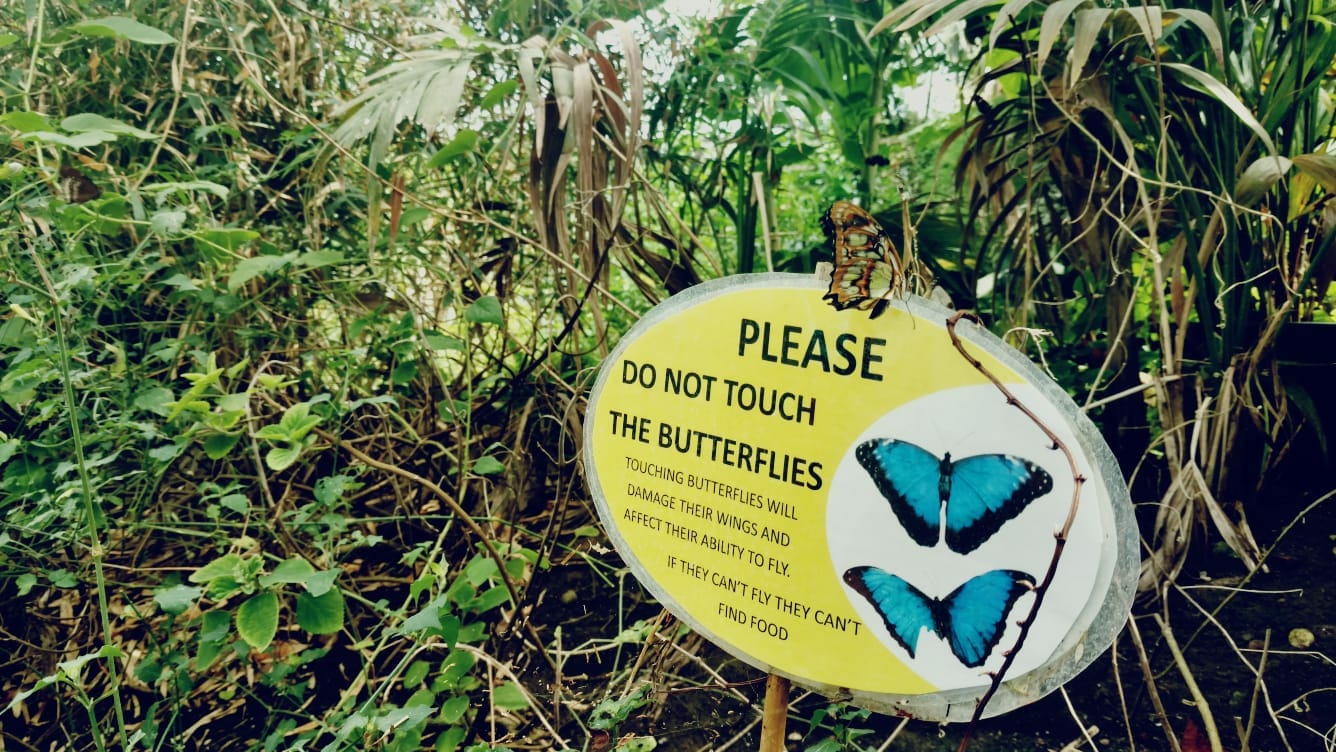
Before I begin lauding this magnificent destination, those of you who can read will notice five choice words in the featured image of this post.
“Do not touch the butterflies”
It does not matter if they are on the floor, they have wings. These creatures are delicate. One slip up could cause scales to fall off of their wings sentencing them to a slow, agonising death. Now a quote from Python to illustrate my point:
“[during labour] Doctor, what do I do?”
“Nothing dear, you’re not qualified!”
Let me give you an overview of the SBF experience. Firstly you walk into a tropical wonderland and ponder why on Earth they haven’t turned the air conditioning on. Then you are assailed by over 3000 butterflies. Following this, you look around you and see various Neolithic ignorami trying their hardest to “rescue” flying creatures which have hitherto managed quite all right without their help.
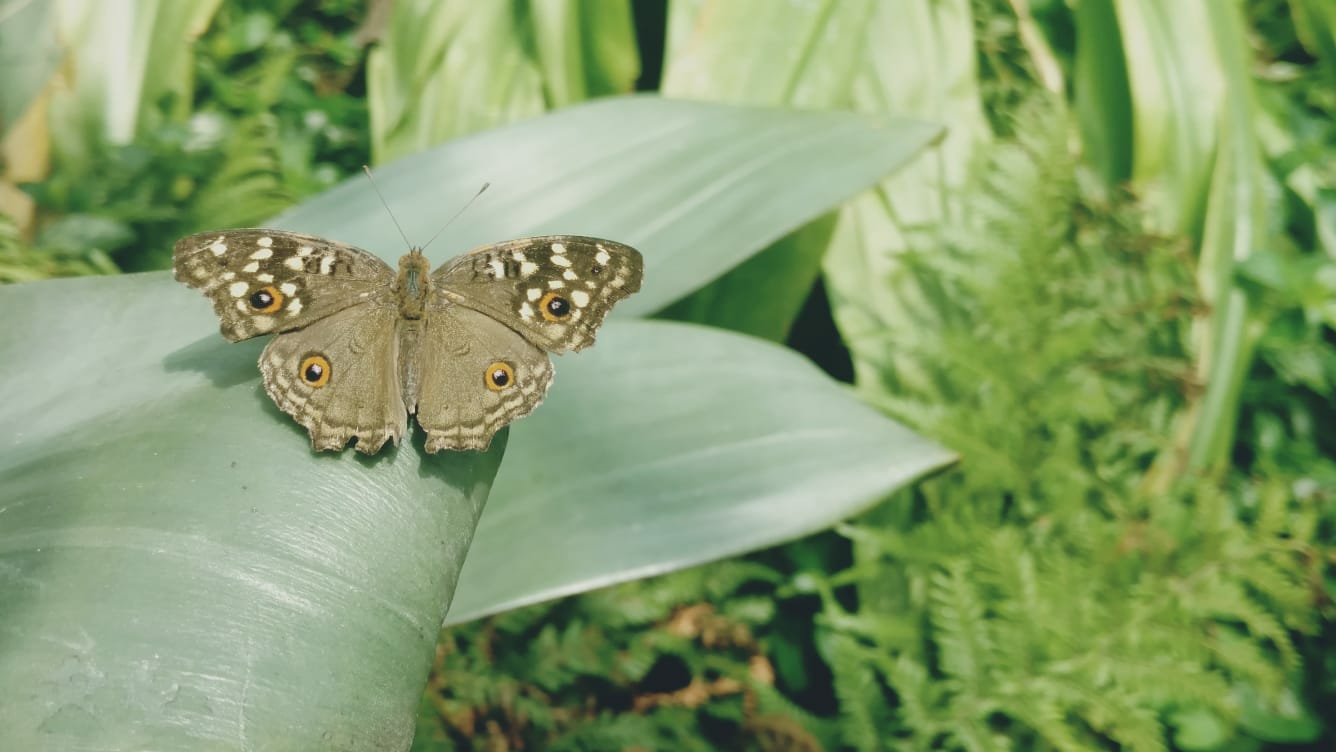
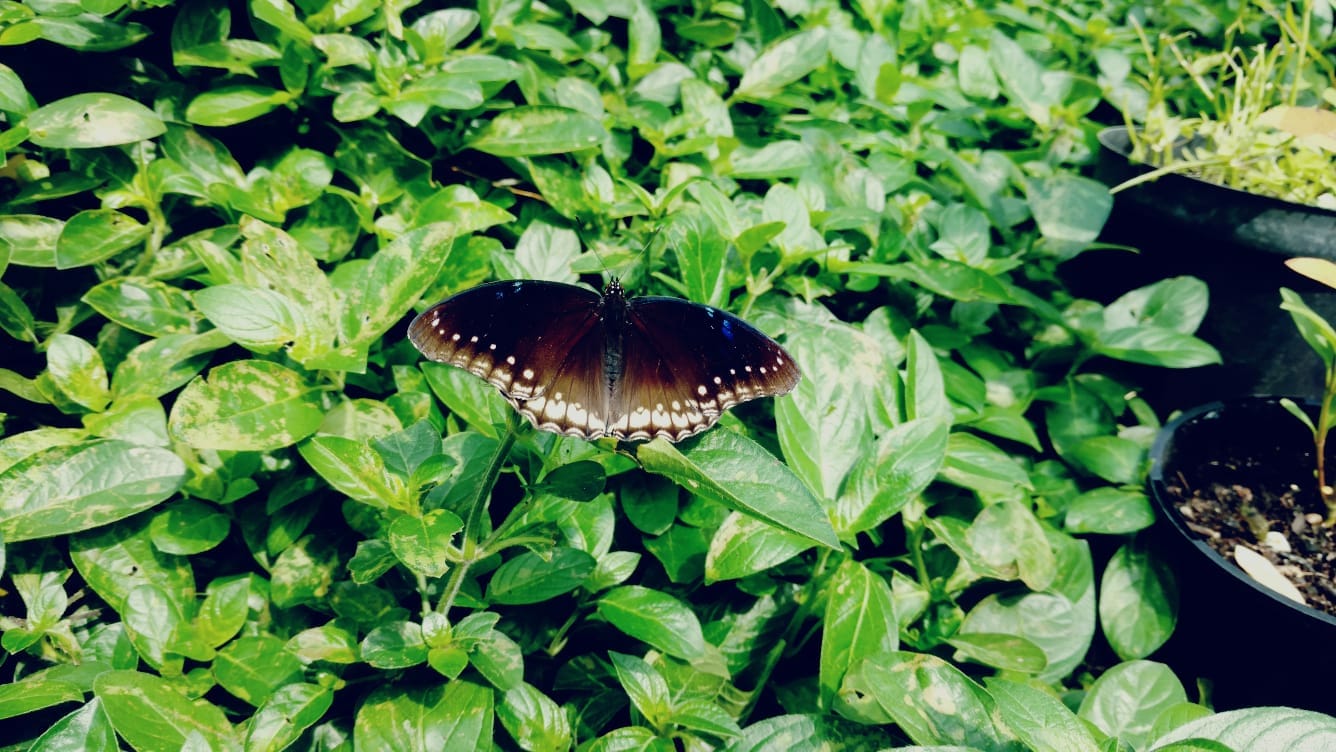
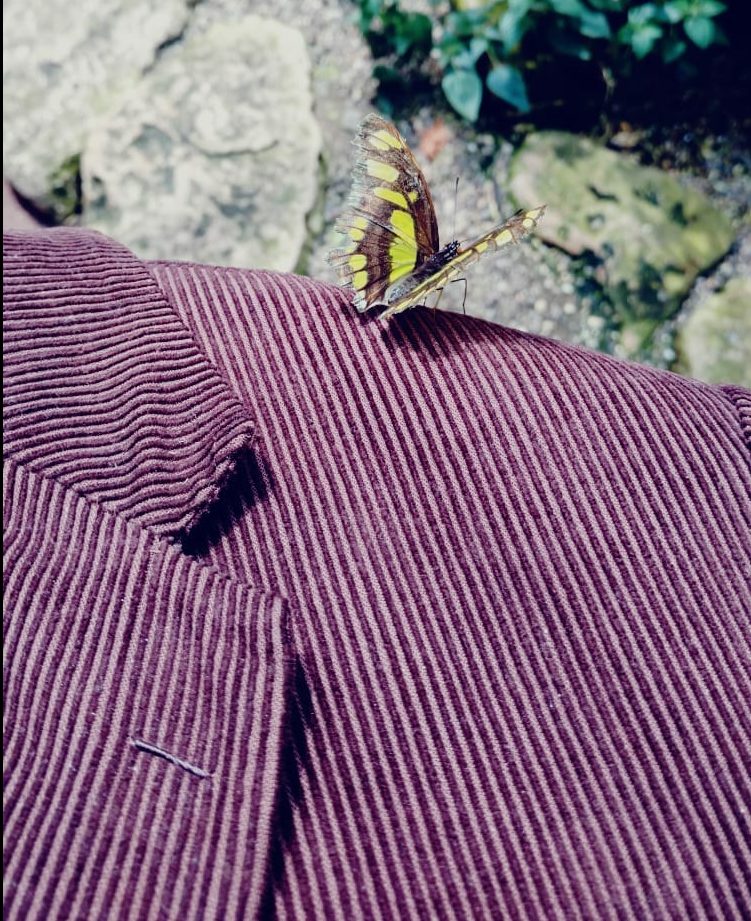
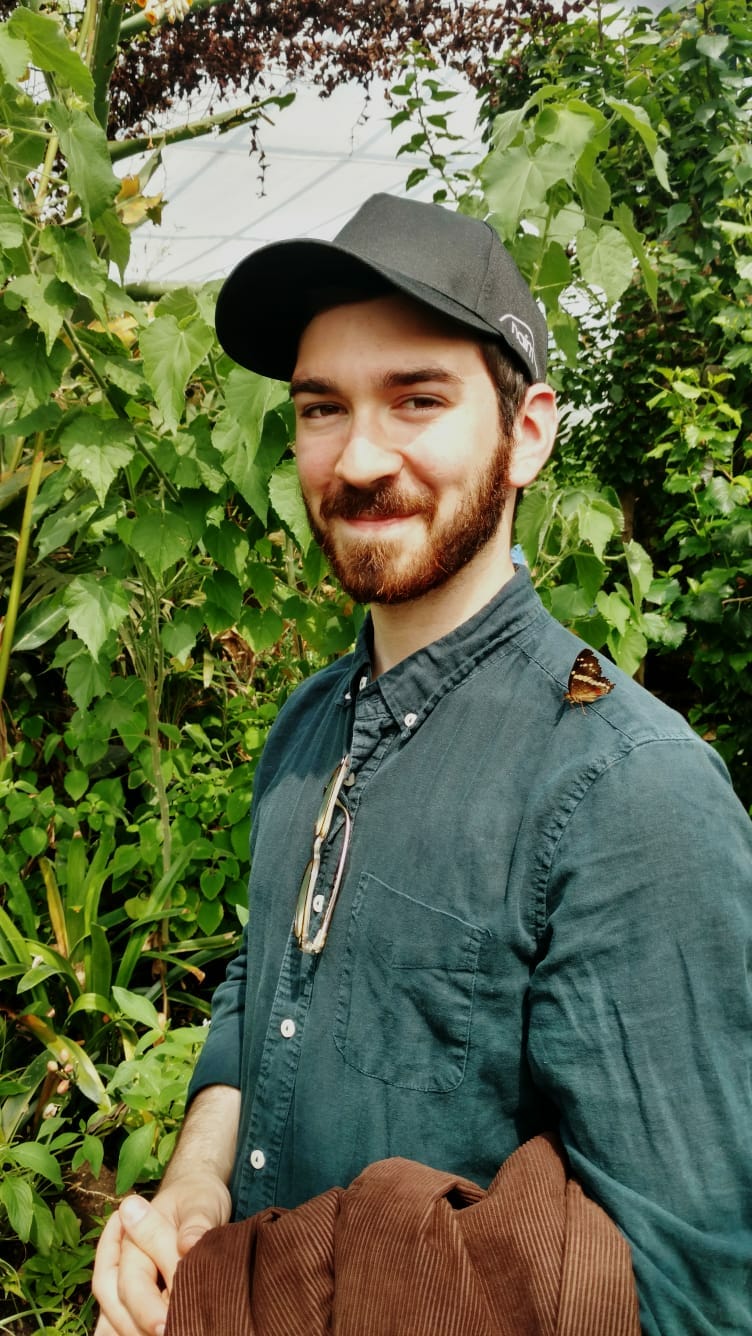
In all seriousness, however, this is a place of magic and wonderment. All around you are examples of some of the most beautiful creatures on the planet. Splendidly flying through the air above your head, and sometimes on your head!
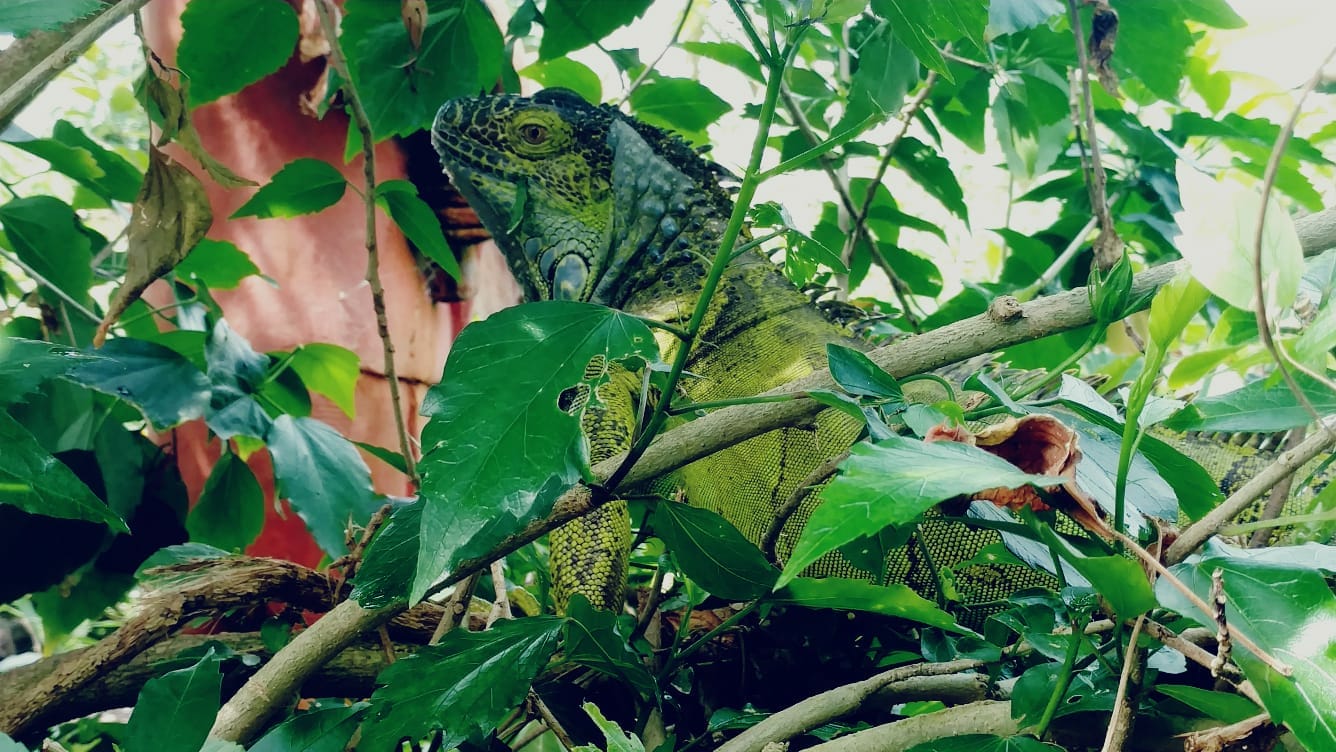
Hidden deep in the foliage are an array of iguana. I managed to find one. Perhaps you can too! I’ve named this one Albert on account of his undeniable regality.
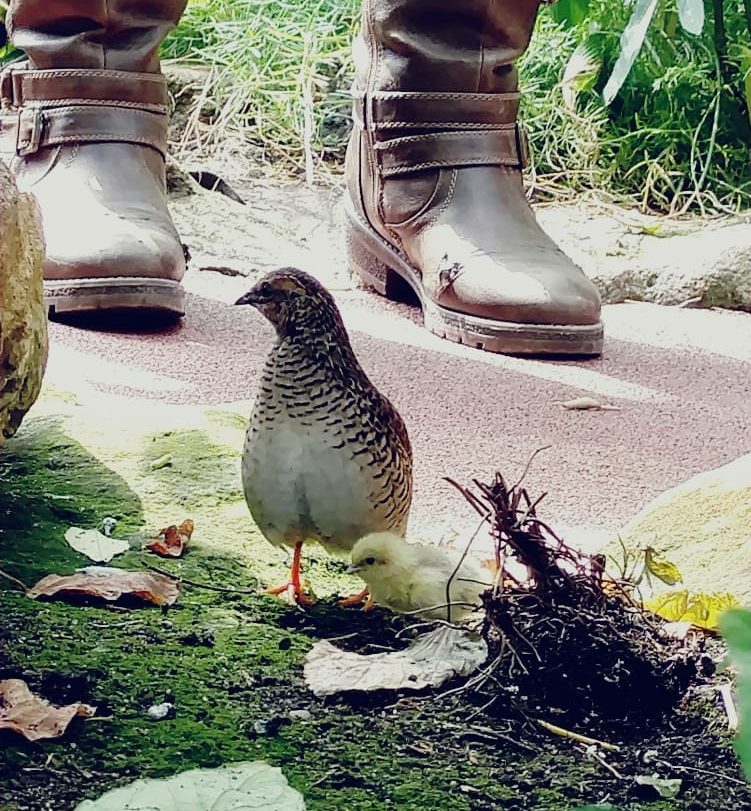
If you go around late May/ early June; your visit will coincide with the hatching of some delightful little birds. Watch carefully and you’ll see them scurrying around underfoot. I’ve included a picture with some perspective behind it so you can see just how tiny they are!
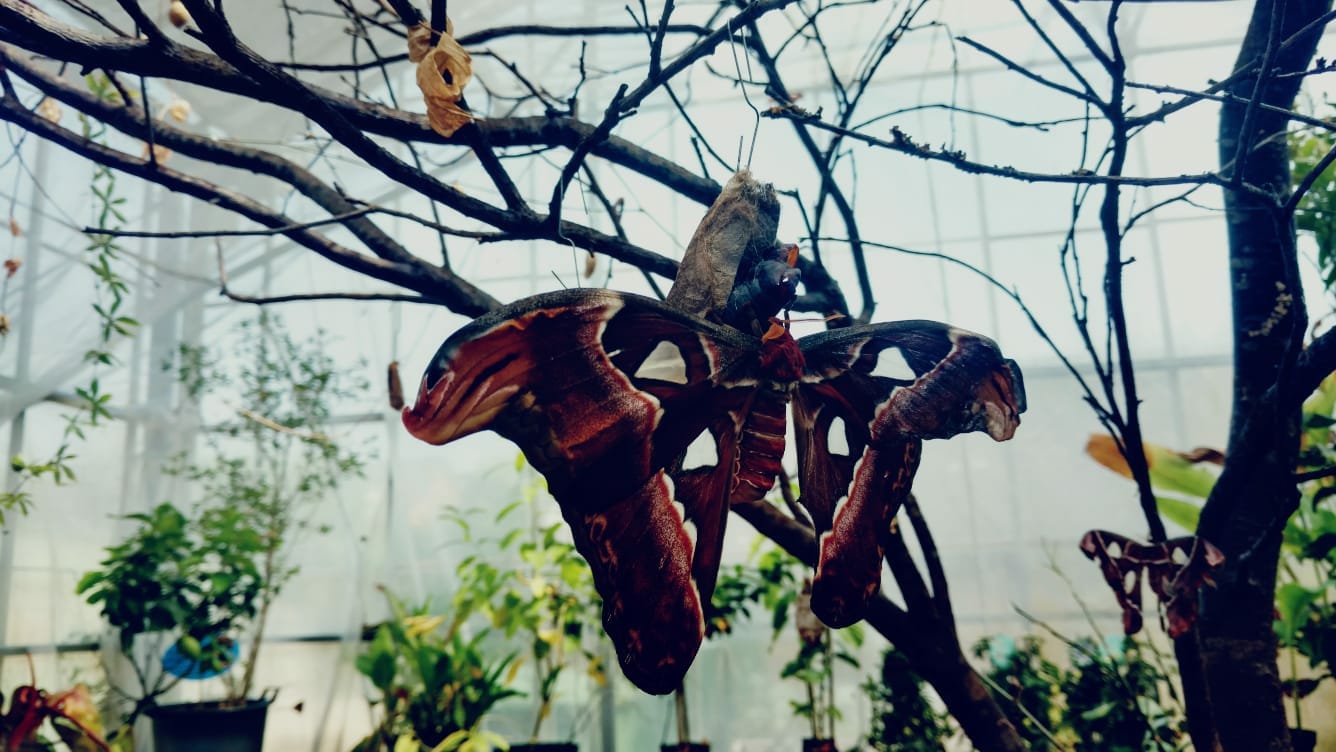
But that isn’t all. In addition to our flying friends; hidden gems and chicks with sticks; I was delighted to find a cocoon room. This was where the conservationsist aims of Stratford Butterfly Farm emerged, if you will. I was lucky enough to happen upon one almost fully out of its cocoon, in the final stages of metamorphosis. Its wings were drying, the sight was magnificent. Notice how the tips this moth’s wings resemble snakes to frighten their main predators, birds.
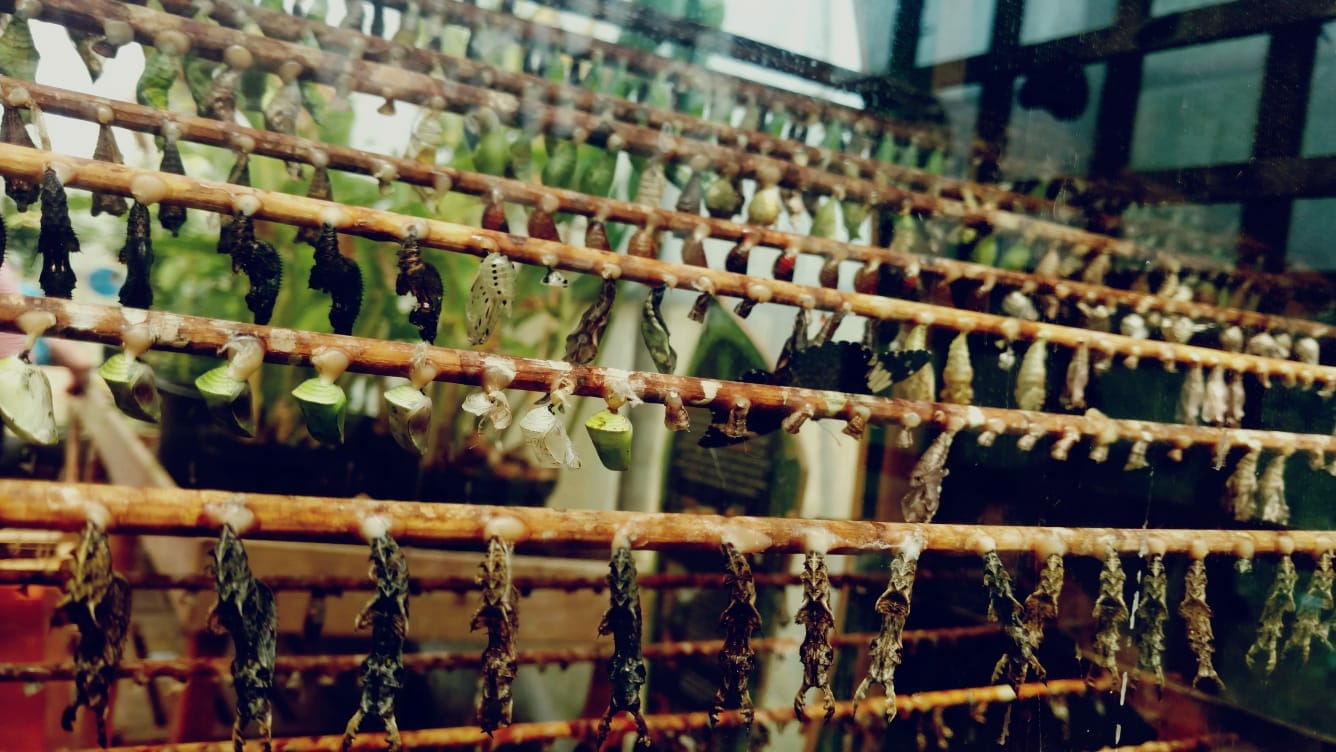
Pictured above are some of the metamorphosing cocoons on display. You can match each cocoon with it’s butterfly using the handy chart on both sides of this exhibit.
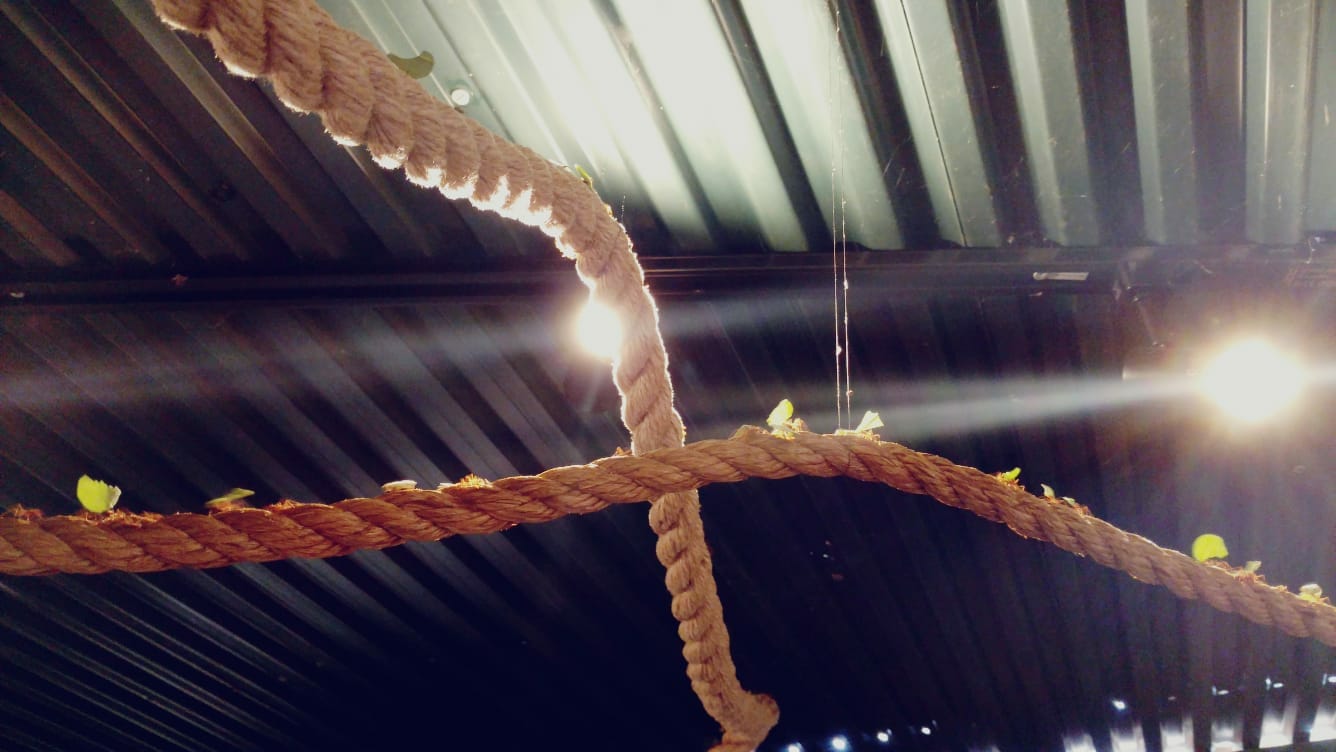
The miniature beasts room follows. Thousands upon thousands of ants walk (do ants walk?) across ropes suspended above your head. They carry leaves to their nests from one end of the room to the other. There, they will let them rot until fungus develops. Then the ants will feed from this fungus. The Farm likens this to us eating mushrooms, to make the process seem less revolting. Yet, the spectacle is at once repulsive and extraordinary. This is not a room for the faint of heart. The rooms directly adjacent to it showcase an array of tropical insects and a alarming arachnid.
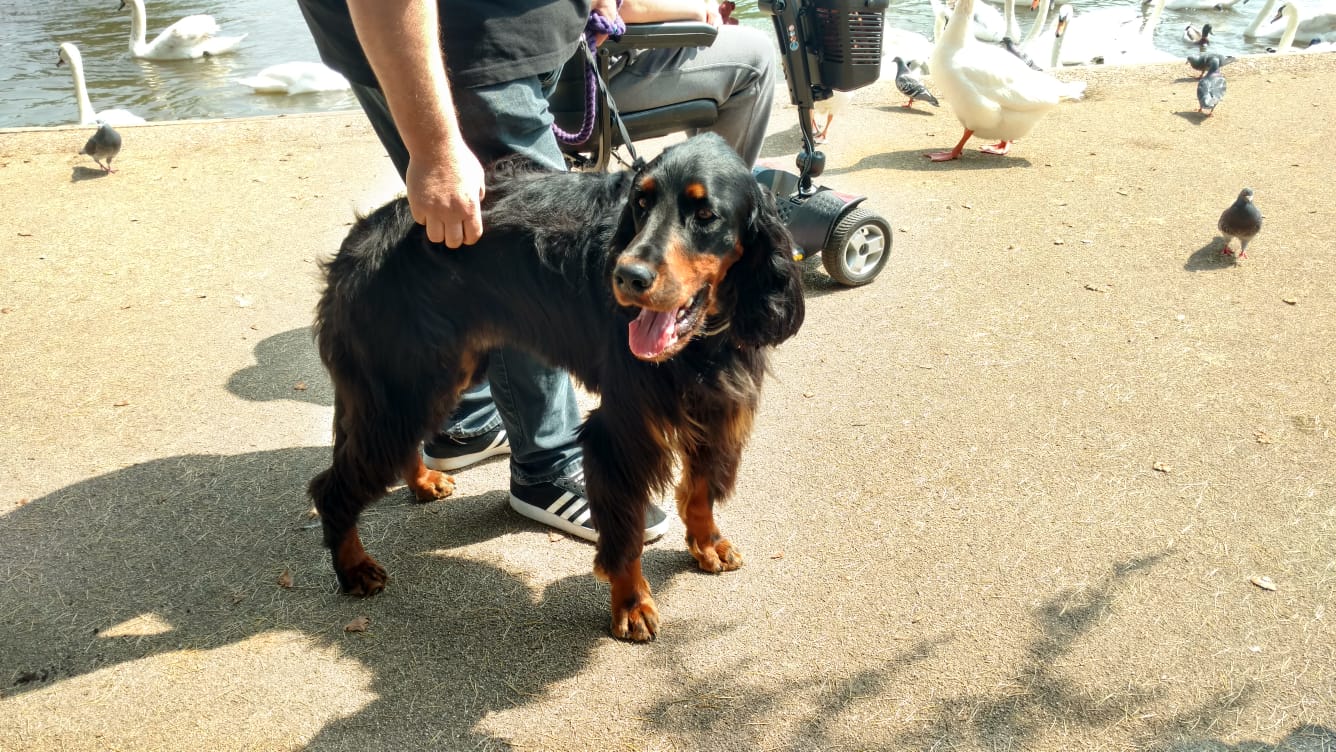
And now, a few pictures which I must share with you, including a gorgeous Gordon Setter I spotted during a stroll through Stratford.
I hope you enjoy this gem, I certainly did and shall be returning post haste!
One thing which constantly surprises me in Rome is how good everyone’s hair is. The universally magnificent manes are as disturbing as they are impressive.
Moving on, after battling with the transport system to get to my hotel room, I found myself suffering from debilitating hunger pangs. A quick search of the local area saw me eating near Piazza Bologna in a Pugliese street food restaurant called Mató. I asked them what the best dish was for someone travel-weary. I was served a delicious provola; eggplant; spicy salami and rocket salad Pucce. Honestly, it was precisely what I needed.
The combination of premium quality Pugliese ingredients made for a medley beyond my expectations. When you’re away from Italy for almost two months, you forget how good the food is. Those from Puglia are constantly trying to push the idea that their food is the best in the country. While this Suggestor humbly disagrees; they make a strong argument.
In addition to Pucce; Mató also make a wide varieties of foccace with some truly delectable toppings. Quite a few of them have bechamel sauce, which is difficult to get right. It goes without saying that each of the treats proffered were of high quality and, given the vast number of clients there while I ate, high repute.
I was impressed by the speedy service and delectable dining experience. Mató is perfect for those exhausted and looking for a fast and fantastic fix. Its proximity to Bologna metro station makes it even more accessible. Or if you hated the food there, you’d have an easy escape.
My hotel was all of 13 minutes’ walk from Mató. I liked it so much, I feel I need to include a photo. But in addition to showing off I must draw your attention to the portly man in the window towards the left of the photograph. This man has an exceptionally noisy method of renovating old apartment complexes. I wanted to point him out and shame him for waking me up on a perfectly pleasant Tuesday morning.
Following the theme of dramatic black and white photography (a new favourite of mine), I wanted to include a photo of my dear friend Edoardo and I having an aperitivo at Rec23. Being British; I managed to arrive half an hour before our scheduled meeting. While nibbling on some divine bechamel and pancetta pasta; I was accosted by another man also called Eduardo, spelled with a ‘u’ on account of being from Ec’u’ador. The Edorado pictured is from Lazi’o’. Tout s’explique.
I mention the Eduardo encounter because he made me laugh more than I have in quite some time. He was in Rec23 as part of a language exchange programme. Rec23 is famous for having really awful cocktails. Mine tasted like paint stripper. I intimated this to Eduardo. He looked at me, shocked, and asked: “how does your cocktail taste like painted strippers?”. I cried ugly tears.
In all seriousness, go to Mató. Don’t go to Rec23 for the cocktails. Unless Eduardo is there.
May has been a tough month for me. Juggling work commitments; ever approaching final exams, and the spectre of assessment feedback made for a tense four weeks. Nonetheless I emerge victorious. As you can imagine, the music which got me through this month has had to be fairly nondescript yet brilliant at the same time. I tried to listen to Radio 3 but there is only so much one can handle. So I turned to more generally appealing music.
I remembered listening to Bonobo when I was in Vilnius, Lithuania last year. I don’t know why that occurred to me mid exam prep. But then again few things make sense when a group of balding people decide the best way they can assess your intelligence and capacity is by absurd, glorified memory tests.
Throughout the course of May, I must have listened to the entire Bonobo repertoire. Each of his albums are outstanding but this one was particularly good. Bonobo (Simon Green) originated from sunny Brighton. He has graced us with 6 studio albums. His latest, Migration, reached Number 5 in the UK Charts.
Heading as far back as 1999, to the imposing breakbeats of “Scuba” and the cinematic subtleties of the “The Scillian”–originally released in limited numbers on vinyl only–it charts his musical progress from unknown to ad agency and chillout favourite. Found Sounds
The reason I chose One Offs… Remixes & B-Sides for album of the month is because it contains reworked versions of songs from his first studio album; Animal Magic. These add a layer of complexity to his otherwise masterful work. Songs which really stick out are Four Ton Mantis – Amon Tobin (Bonobo Mix); The Shark and Dinosaurs.
I am deeply impressed by the catalogue of Simon Green’s vast work over the last 20 years. This album contains something special which comprises the spirit of his work as well as a pertinent retrospective look into Bonobo’s very core.
This album is perfect for revision and certainly pulled me through agonising hours in the cesspit of learning that is Warwick Library. But I was tormented with choices this month. Hence I’d like to direct you to an album which is deservedly in second place: Samba Esquema Novo (New Style Samba), by Jorge Ben. I was first put onto Jorge Ben by my Fox Hunting podcast producer; Charlotte. Ever grateful for her astounding taste in music, I thought I’d put this masterpiece in also, as a tribute of my great admiration for Charlotte.
I hope you’ll enjoy it as much as I did. Especially Track 2, which I hum maniacally in my spare time to frighten passers by.
This year I took an elective module whose assessment method was podcast. You might have noticed that I produced a few podcasts in anticipation.
The podcast aimed to use Fox hunting as a case study for how protest was changing over time. However it ended up as an analysis of the way the power of the people might be articulated within structures of power. Have a listen and let me know what you think.
I had the pleasure of interviewing Professor John McEldowny; an astonishingly accomplished man whom I admire greatly. He and I discuss the nature of protest and the impact of modern times on how people protest.
At the beginning you’ll notice a clip from Fantastic Mr Fox. As the module convener pointed out in my assessment feedback, this is in”direct contravention of the requirement to secure permissions/rights for all of the materials used”. I’m glad I managed to rile him as much as he did me, standing in empty parking lots holding up cardboard signs for 75% of our lectures.
Of course it goes without saying that if Wes Anderson should so desire, I will remove the first 12 seconds or so of this podcast. It is the least I can do, and I always do the least I can.
The glorious watercolour featured above was created by John Frederick Herring.
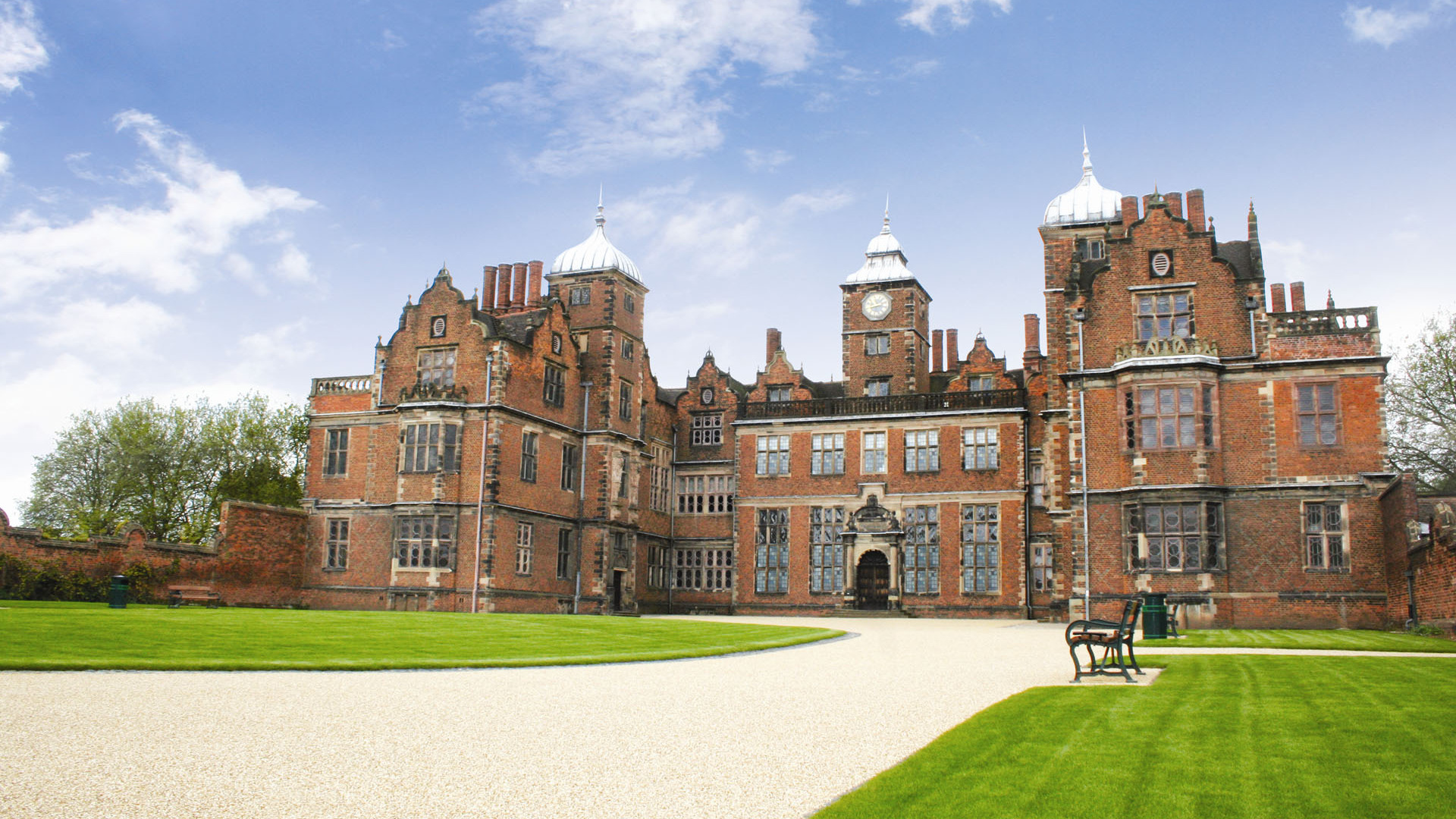
Driving through Aston in search of its famed Hall, I did not expect to be greeted with such a sight. Standing proudly atop the town’s tallest hill, Aston Hall boasts a long and fraught history. I was about to discover the whole sordid tale.
Through the ominous double doors, I was greeted by Steve. Steve kindly gave me an hour and a half of his time explaining every facet of this opulent household. For the sake of brevity, I shall give you my personal highlights.
.
.
The entrance hall is magnificent, don’t get me wrong. But I must leave some aspect of mystique or you’ll never visit!
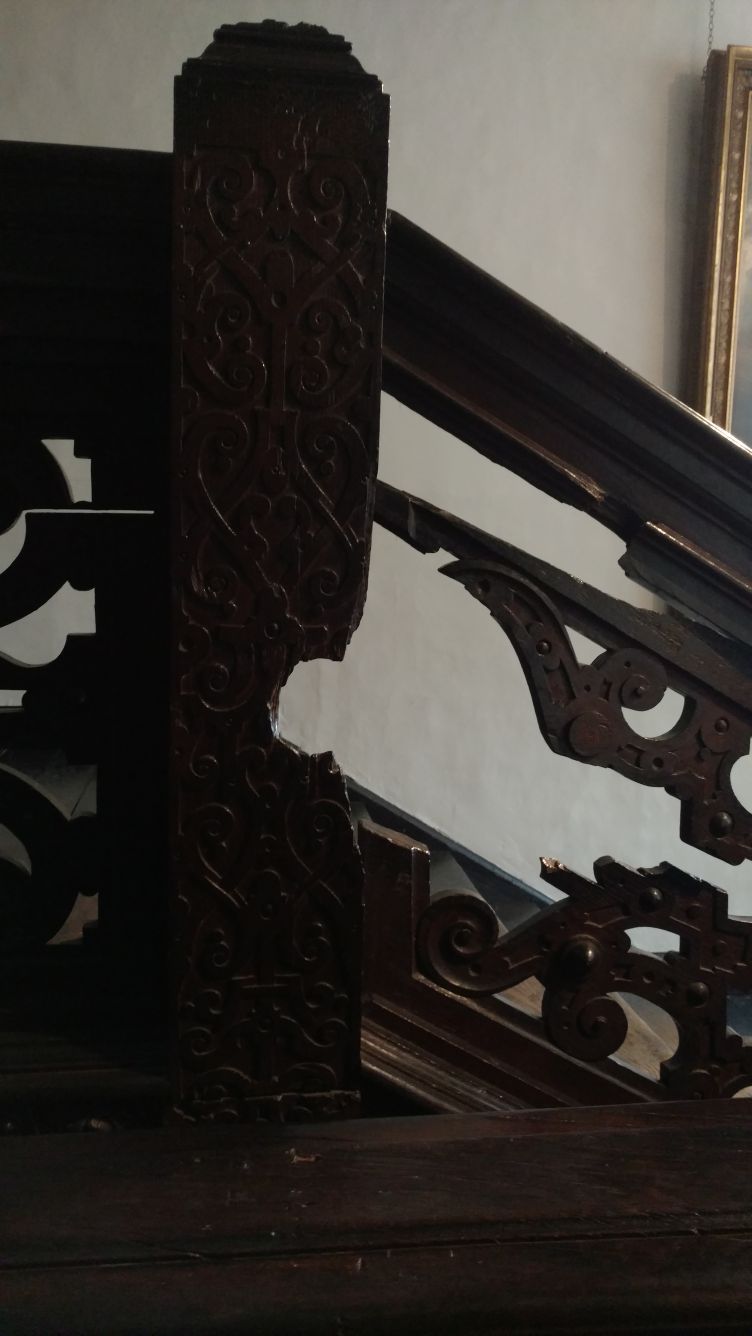
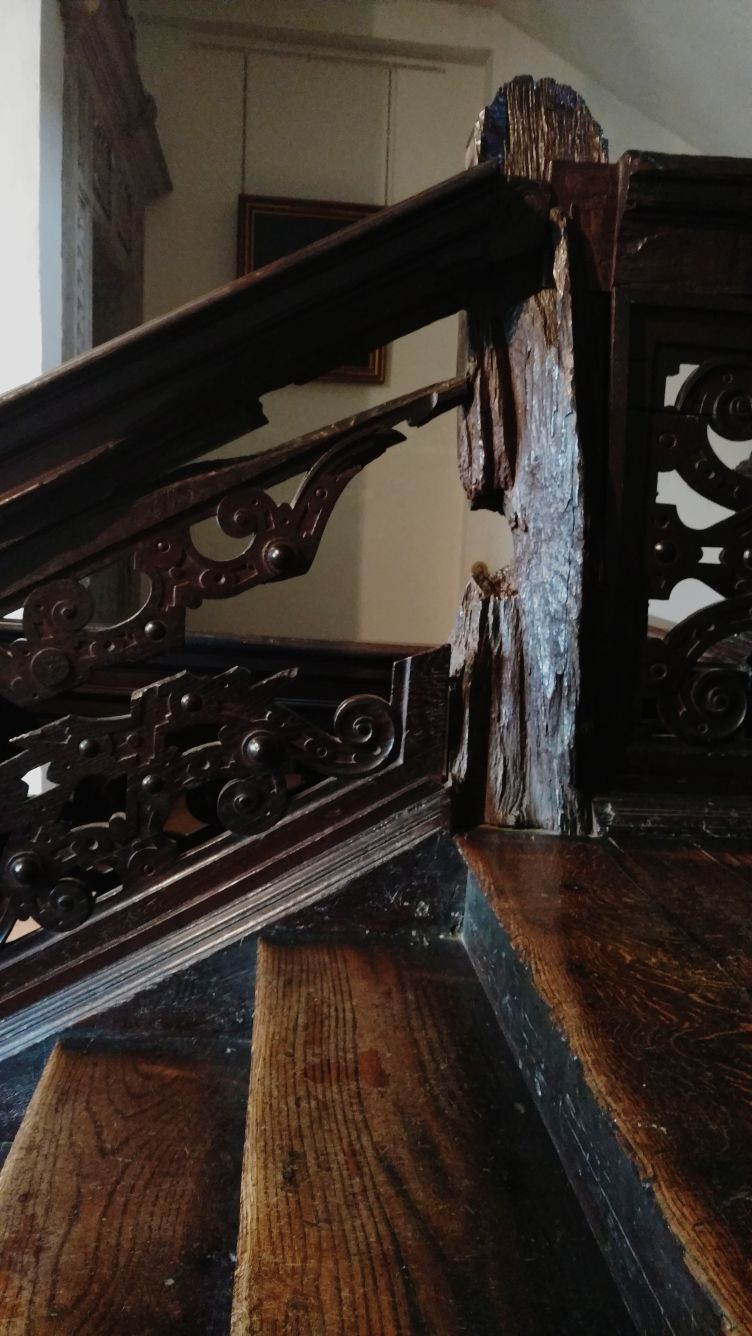
The first thing which truly stuck me, as it were, was going up the main staircase on the first leg of the tour. You see, the house was built in 1618, 400 years ago this year. John Thorpe was the architect. Charles I is said to have visited for one night in October 1642. Astute historians will know this was perilously close to the civil war of 1643. And indeed one year later in December, war broke out and this Royalist House was raided. The pictures to the left and right is evidence, left untainted of a cannonball which hurtled through the house!
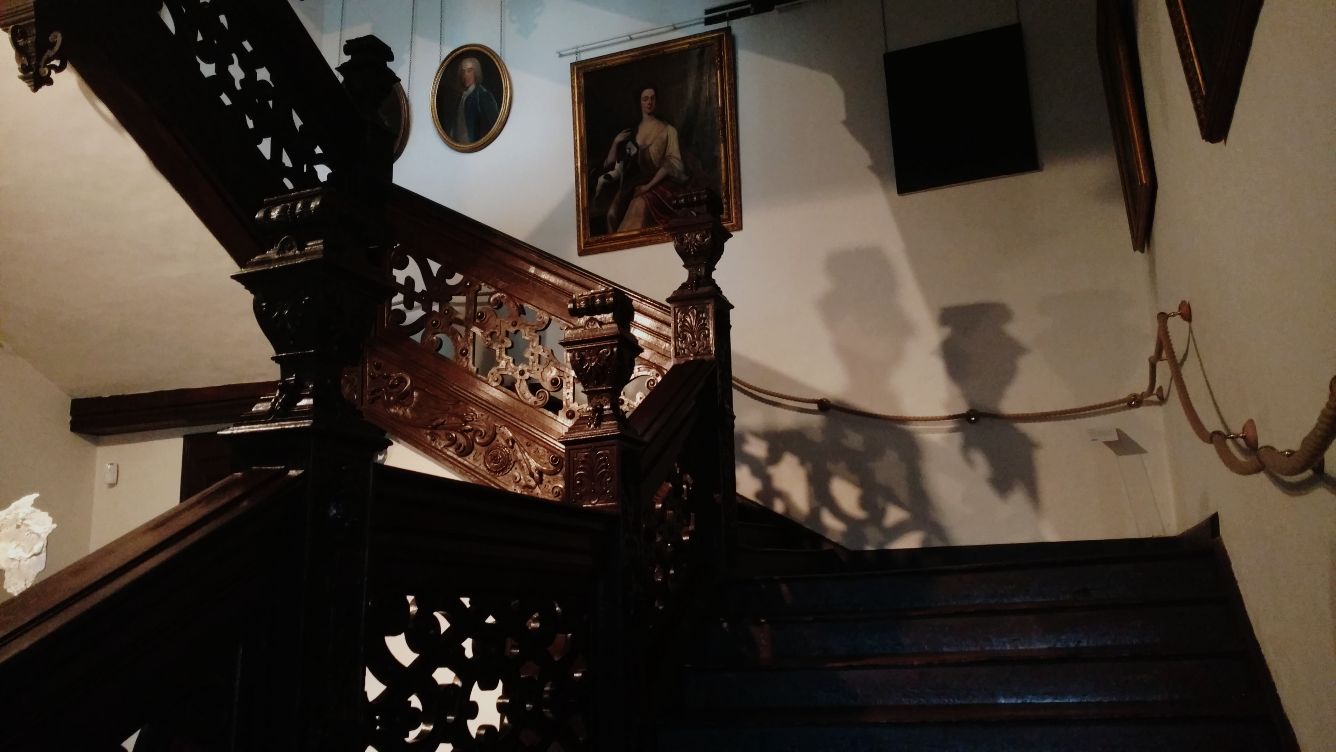
Below is a more complete, pardon the pun, photograph of the grand staircase. The rooms upstairs are filled with such luxuries, it would be difficult to do them all justice.
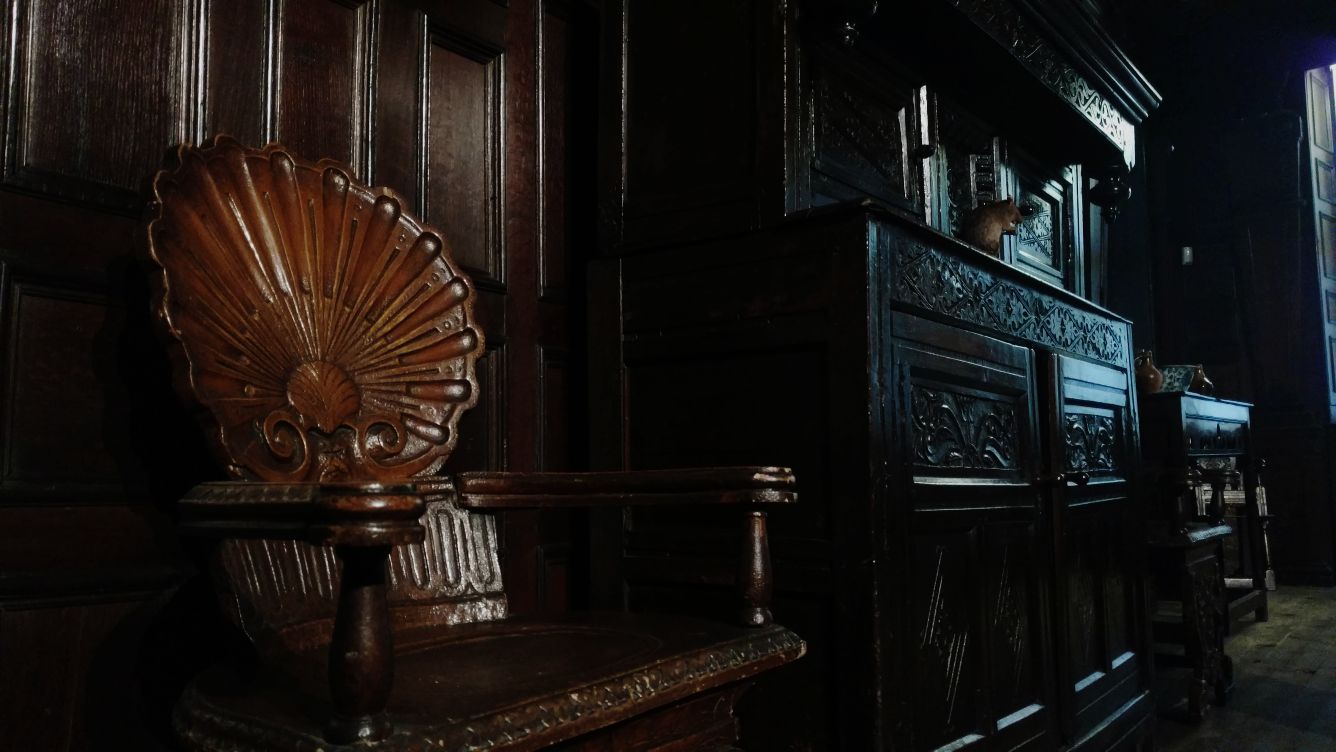
One room downstairs is staged as it would have been 400 years ago. If you go in time you may notice some gruesome (model) rats scampering about on the table. While I am a sucker for oak tables, the things which really surprised me were two ornate oak chairs lining the wall. They are pictured below. They are almost as impressive as the oak panelling lining the dining room. Of course, as any tour guide worth his salt will tell you, the cesspit was situated near the parlour in Aston Hall’s prime, it must have been a sensational dining experience. And I mean that anything but positively.
Once you’re in the Orange Room, upstairs, pay particular attention to the ceiling embellished with orange trees. Having lived in Rome for a year, I became quite fond of orange trees. The Romans even planted a garden of orange trees in the centre of Rome. Giardino degli Aranci is a famous attraction near Circo Massimo and I implore you to go to see it in the summer.
.
.
.
.
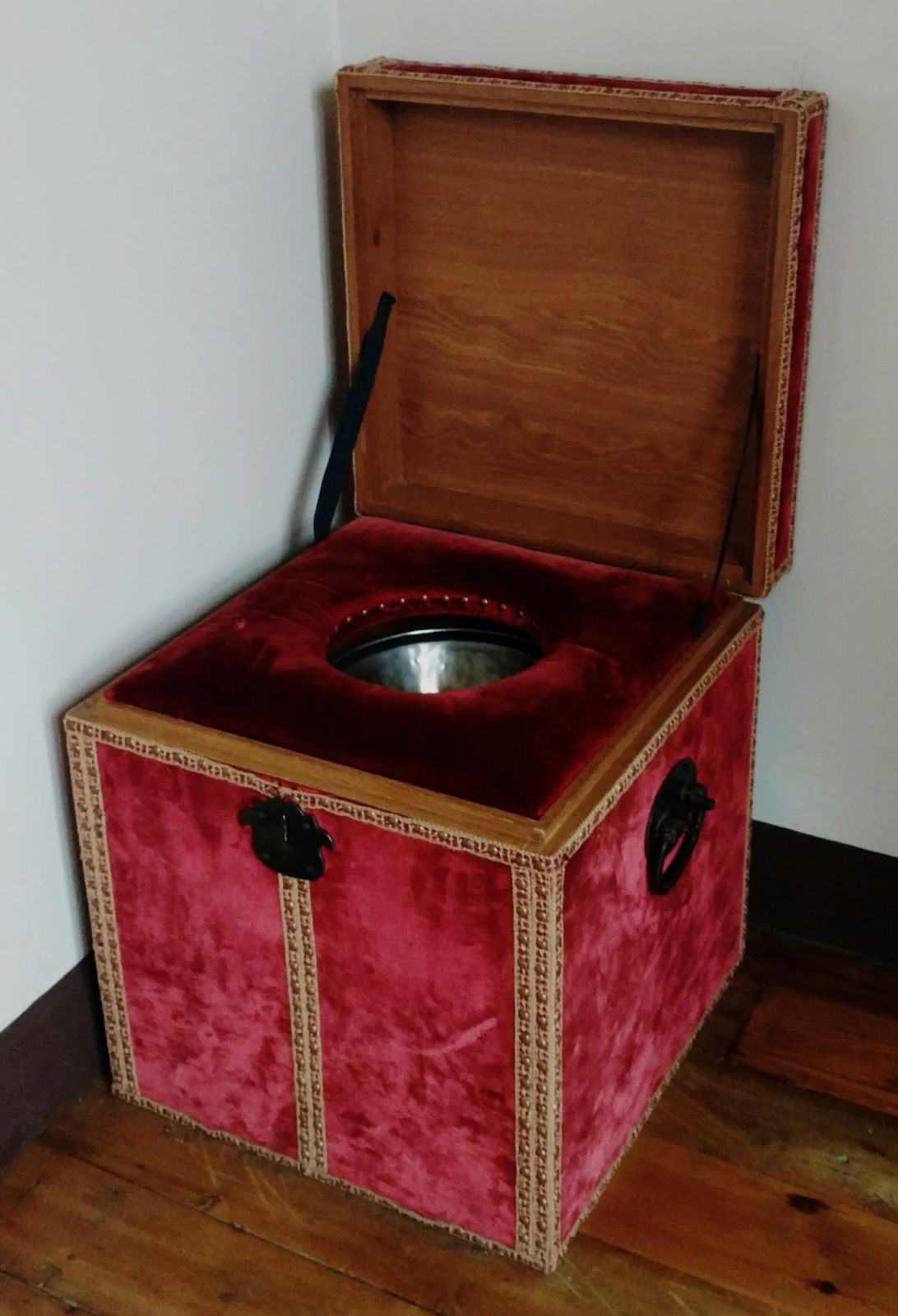
Those in the know will recognise this as a posh portable potty. Steve pointed out that the original owners of Aston Hall, the Holte family, did not much concern themselves with hygiene.
However, it does serve as a talking point and certainly is glamorous. Not half as stunning as the sights which you have yet to behold.
.
.
.
.
.
.
.
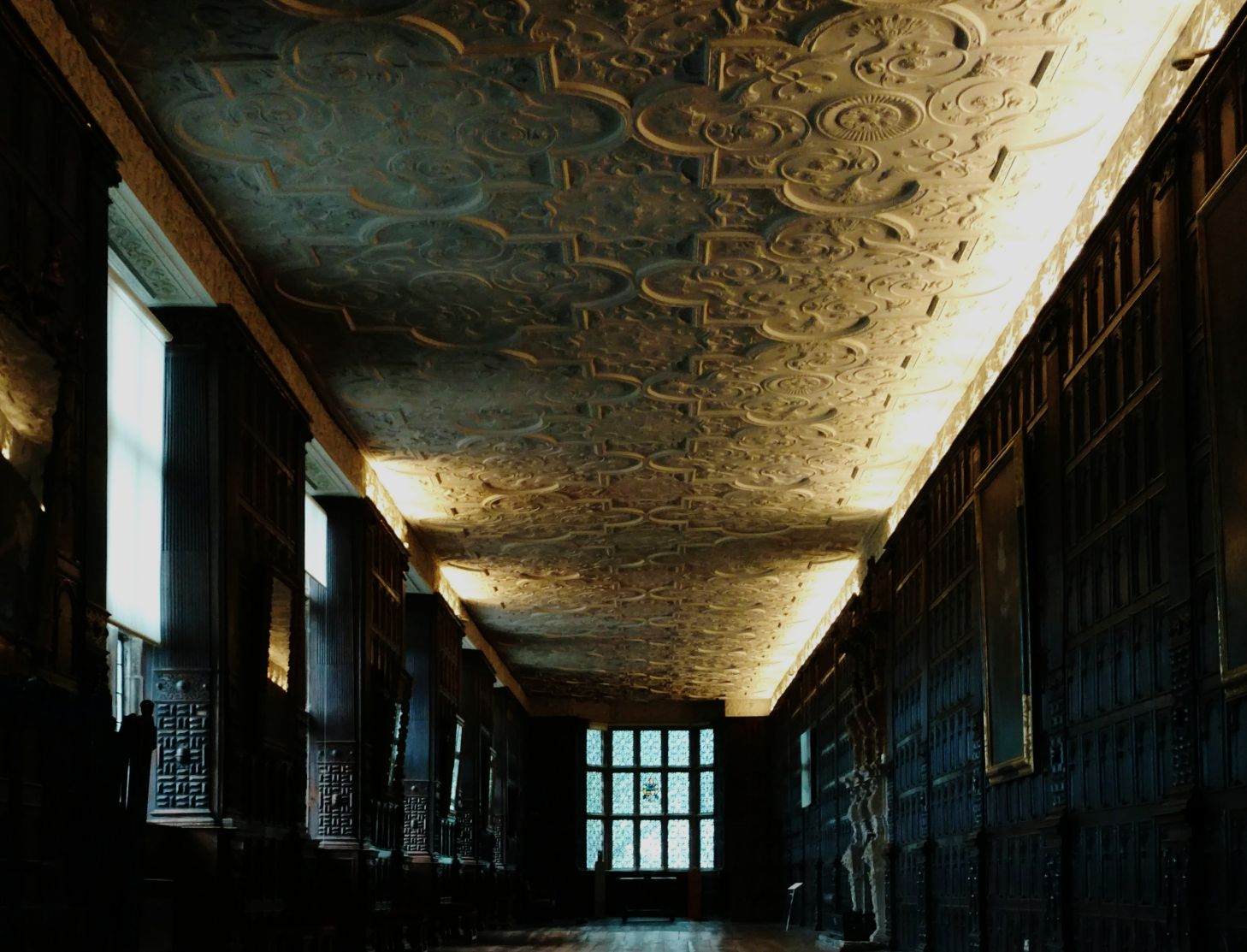
Once in the Drawing Room, pay close attention to the tapestry. In the centre you shall see an exquisite rendering of the very Hall in which you stand. Beyond the Drawing Room, and its super ceiling lays the Long Gallery. This was my favourite room in the Hall. Stunning from every regard. 136 feet long with the vestibule. Here is a photograph:
The floors are uneven so watch your step. Worry not, few highlights remain.
The loft is particularly impressive. If you can get up the stairs, which are treacherous, be prepared for a gruesome tale. Sir Thomas Holte was not a nice character. It is said he murdered one of his cooks in a rage but got away with it on account of being Lord High Sheriff of Warwickshire. I will spare you the horror, but I’m sure any member of staff will be more than happy to enlighten you.
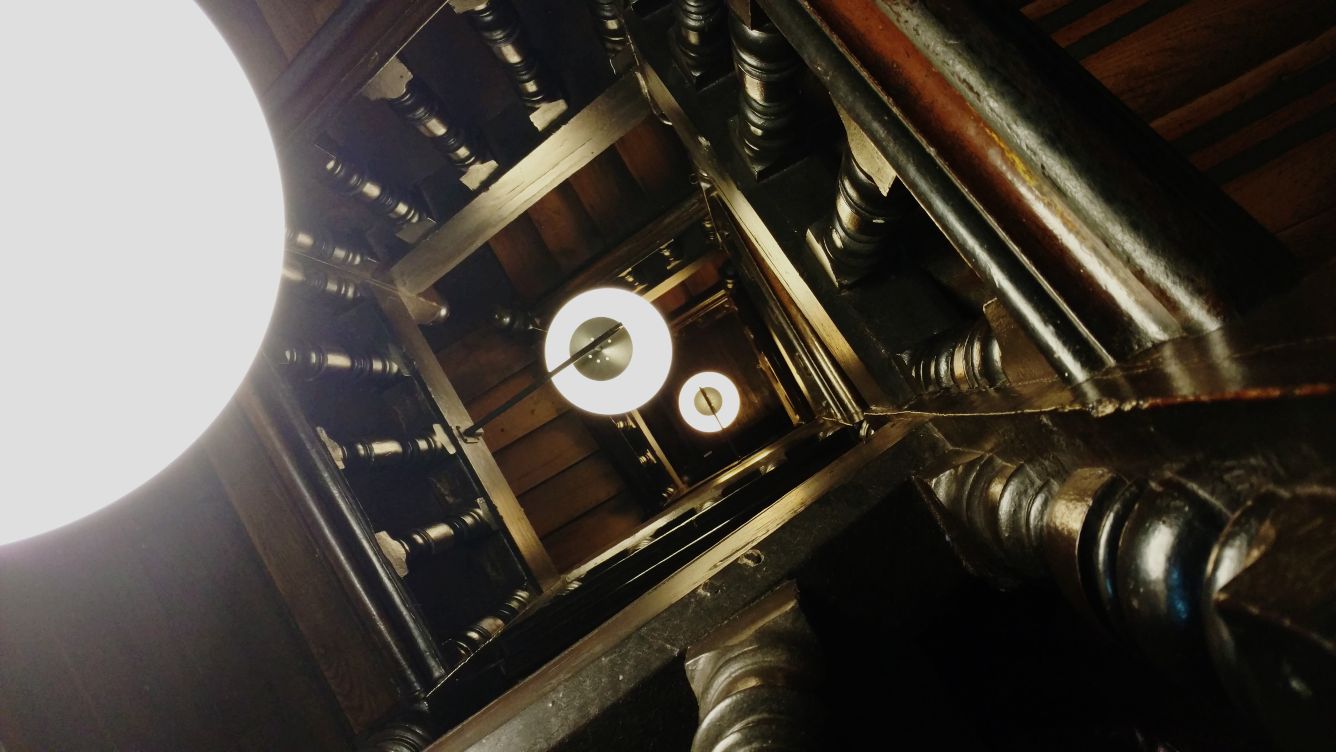
Above is pictured the view from the top of the stairs.
Now, my final highlight was not the solid whole piece oak chest in the kitchen. It was not the different bells linked to each roomabove the passageaway behind the kitchen. Nor was it in fact James Watt Jr.’s study (the final owner of the property before it was sold to auction).
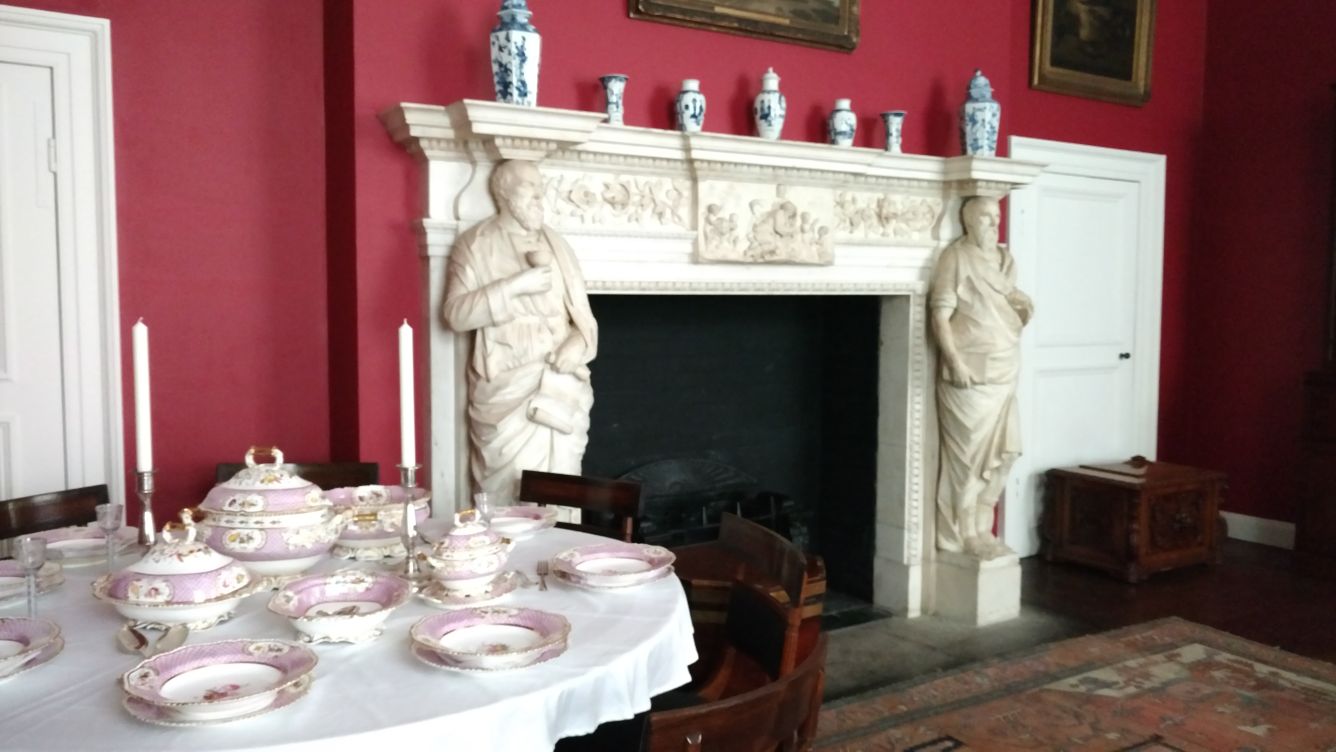
It was in fact the fireplace in the Small Dining Room. I’ve pictured it below. It appears to be held up by Socrates and Plato! How Ingenious!
Overall, I was superbly impressed by Aston Hall. I’m grateful to Steve for having showed me around. And I’m grateful to Birmingham Museums for making it easy to get my ticket. You can get yours here.