This was one of my earlier works, which I had the pleasure of reading out at the Birmingham and Midlands Institute Play Reading Group. We were reading Arthur Miller that week, in case you were wondering.
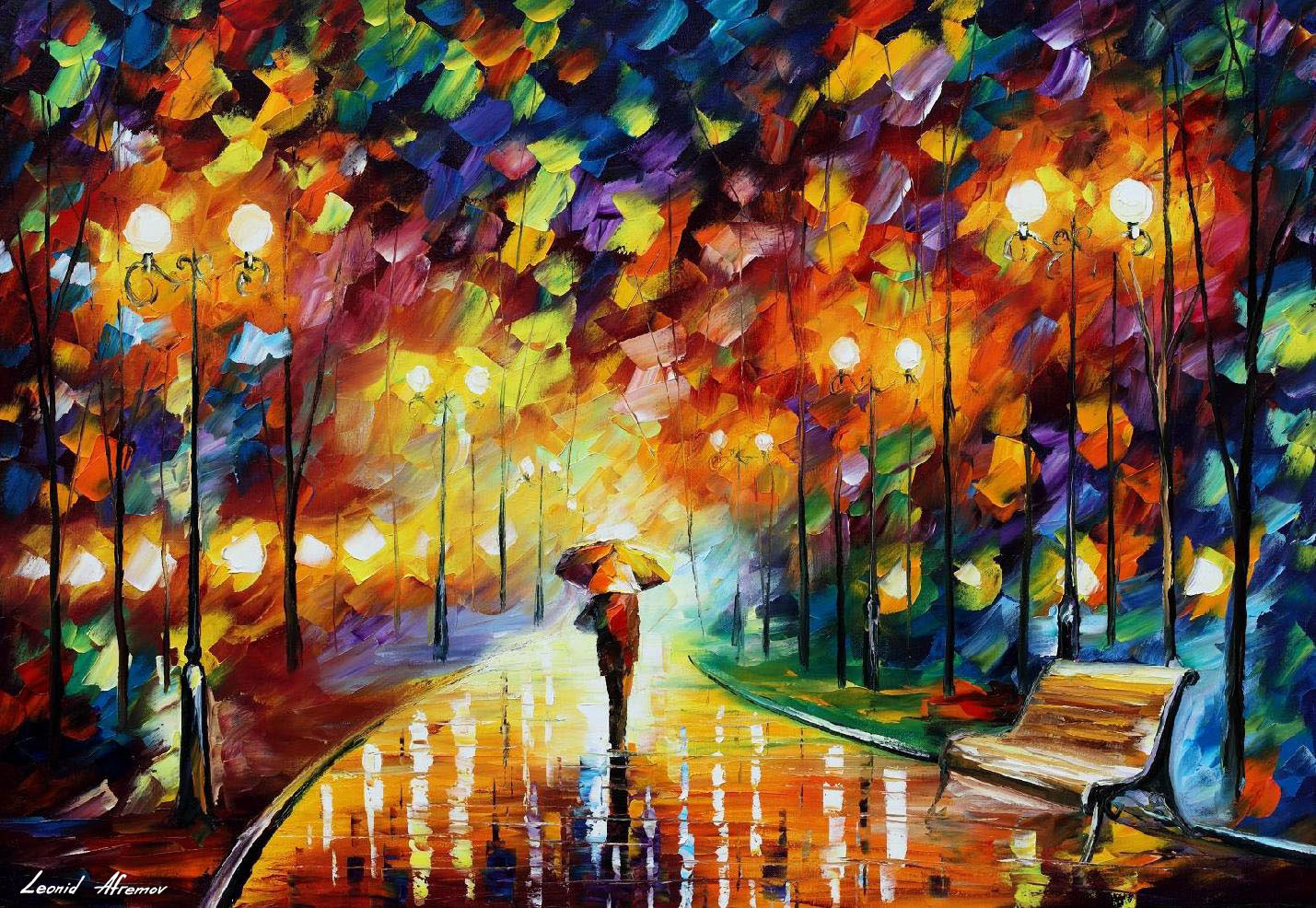
The featured image on this post is a wonderful pallet knife piece by Leonid Afremov called Reincarnation, which I thought was most appropriate given the Catholic overtones of this poem.
Michaelangelo Merisi Da Caravaggio is one of the greatest painters who has ever lived. My favourite piece by him is St Francis in Meditation, which I first saw at the Convento Dei Capuccini museum in Rome (pictured below). This piece was painted circa 1606, some 10 years after Boy Bitten by Lizard. It represents St Francis of Assissi in deep prayer. One can see immediately from the proportion, use of lighting, depiction of torn fabric and emotion in the face of the Saint himself, that this is a piece of great artistic merit. It certainly struck me when I saw it.
I mention this because it bears similarity to Boy Bitten by Lizard. This earlier painting was the first in which Caravaggio depicted emotions in the face of his subjects. St Francis’ emotive face bears the hallmarks of Caravaggio’s earlier works.
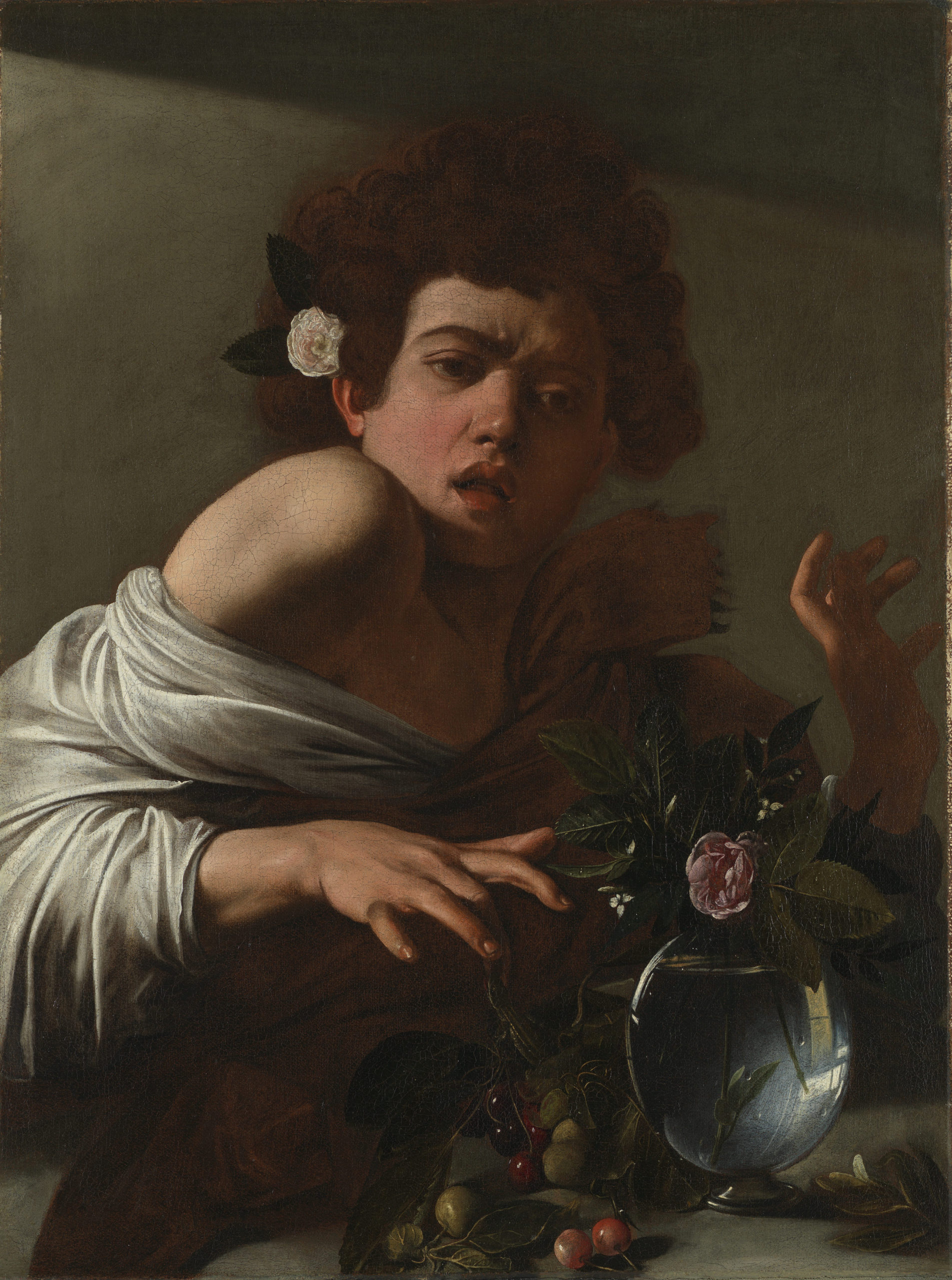
According to Leonard J. Slatkes, the painting’s symbolism likely derives from the Apollo Sauroktonos theme in which a poisonous salamander triumphs over the god, while the arrangement of various fruits suggests The Four Temperaments, with the salamander being the symbol of fire in Caravaggio’s time. The salamander also had phallic connotations, and the painting might have been inspired by a Martial epigram: “Ad te reptani, puer insidiose, lacertae Parce: cupit digitis illa perire tuis. (Spare this lizard crawling towards you, treacherous boy/It wants to die between your fingers) Wikipedia
Boy Bitten by Lizard is an early masterwork in my eyes. From the reflection in the glass, allowing us perspective into the room’s surroundings, to the dew on the rose leaves and the sheen of the grapes – this is truly remarkable. But the focal point of this painting is the pained emotion on the subject’s face (thought to be Mario Minniti). This beautiful chiaroscuro dividing the face down to the shoulder amplifies the pain the subject feels when his hand is unexpectedly bitten by a lizard. This is a departure from Caravaggio’s earlier works such as as Boy Peeling a Fruit, Sick Bacchus and Cardsharps. These have been described as both airless and stiff by comparison. Observe the sheen on the nose, the intake of breath expressed in the models lips, the furrowed brow, the recoiling fingers on both hands. The shock is palpable and wonderfully rendered.
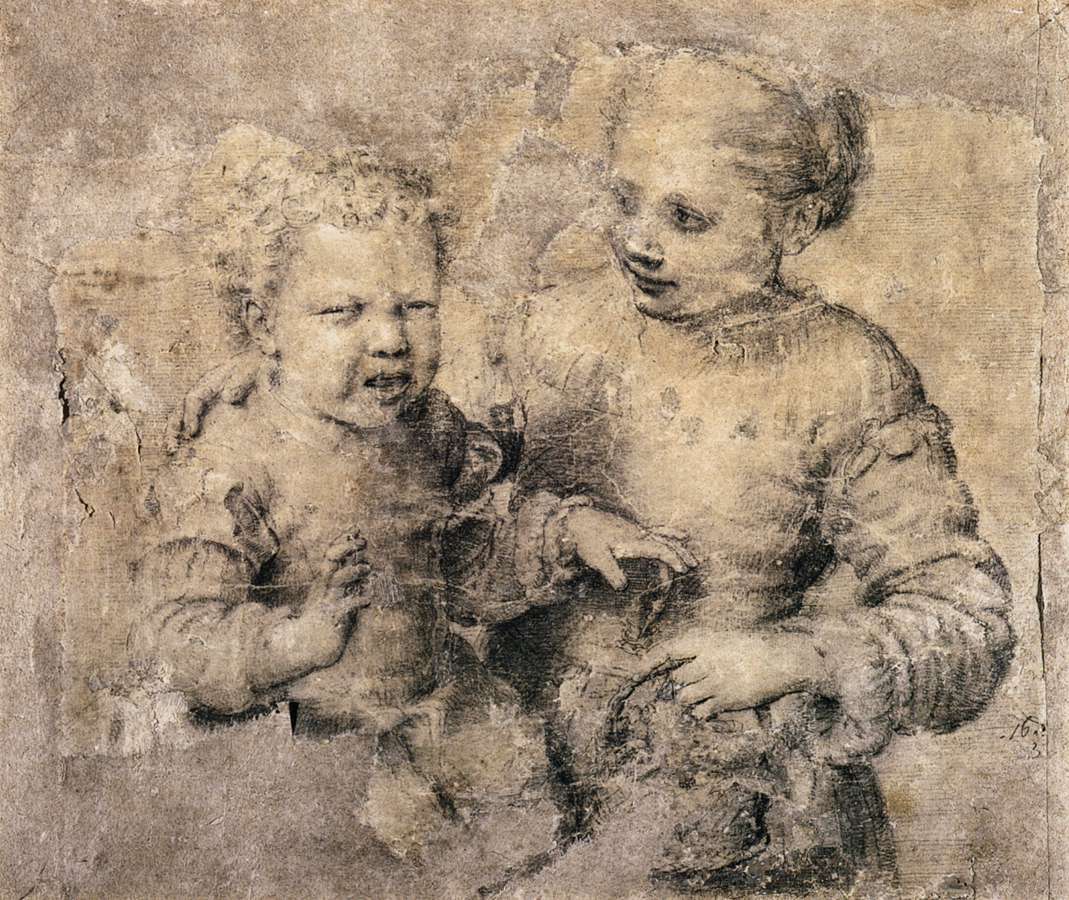
As an aside, it is believed the inspiration for this piece is Sofonisba Anguissola’s, Boy Bitten by a Crab (c. 1554), pictured below.
Overall, Boy Bitten by Lizard, is a masterwork. Do observe it in your spare time.
Situated in the centre of Harborne High Street, The Junction is a pillar of the local community. The weekly quiz here is legend. But alas, the gang and I did not visit this public house to answer trivia questions, we came for Sunday lunch and were richly rewarded.
The Junction menu comprises the option of three small dishes for £10, much like Wetherspoons. Much debate was had as to whether we should go for these, but we opted instead for the Sunday Roasts. Two of us opted for the nut roast. This is typically consisting of onion, celery, mushroom, carrots, breadcrumbs and assorted nuts, such as walnuts, pecans, hazelnuts and Brazil nuts. I believe this nut roast had a few pine nuts, which made it all the more delicious. This was served on a bed of roast carrots, parsnips, red cabbage and roasties, as well as a whopping great Yorkshire pudding. I was particularly taken aback by the nut roast, as it happened. It positively exuded flavour. The texture was moist and each constituent ingredient came to the fore beautifully.
I ordered the roast pork belly. This was served on the same marvellous bed of vegetables as the last dish. I’d like to talk about these veg for a moment. This is what I consider perfection in Sunday cooking. The cabbage was delicious and freshly made, sliced the correct size and held together by a gorgeous sauce. The roasties were cooked in fat and fell apart beautifully. The parsnips and carrots tasted as though they had been cooked together and both were the correct size and texture for Sunday Roasts.
The pork itself was divine. My one gripe was the skin was somewhat tough and difficult to get through as it cooled. So don’t wait too long to finish it! The meat was cooked over some time which made it fall apart. This pork had a deep, satisfying flavour, notes of fat throughout and a tender juicy texture. Combined with any of the other ingredients on the plate, and the sage and apple jelly we destroyed in the process, this was a winning Main course.
Finally, being enormous, hedonistic gluttons, we ordered some pigs in blankets and cauliflower cheese. I’ve always found cauliflower cheese to be a horrendously bland dish, no matter what is done to it. Pigs in blankets, however, are a game changer. These ones in particular were succulent, with brittle bacon and went deliciously with the gravy at hand.
Overall, this was a marvellous way to spend Sunday lunch. Mass can have quite a stark effect on one’s mood and such a fabulous lunch tips the scales towards the euphoric, rather than disdainful. Tilting thus is bolstered, of course, by their fine selection of alcoholic beverages. Their Aspall’s draught Cyder was a work of art. I recommend this pub for anyone with a mouth and teeth. Enjoy the fantastic fare and beautiful surroundings.
While my posts are usually confined to art galleries rather than paintings alone, this piece so struck me that I felt the need to dedicate a post to it. I’m sure you don’t mind, dear readers. Now, to the painting. At 26 square metres, it is difficult to picture the scale of the Bellini brothers’ phenomenal rendition of St Mark Preaching in Alexandria.
This pice was originally commissioned by the Venetian confraternity of the Scuola di San Marco in May 1504 from Gentile Bellini. However, unfortunately Gentile died in 1507, and stipulated in his will that his brother, Giovanni (widely considered the greater artist) should finish it. When it was finished, this monumental piece hung in the Scuola di San Marco for three hundred years before being moved to the Pinacoteca di Brera, in Milan.
He specialised in panoramic group scenes like the one reproduced here, full of detail and enlivened by numerous small touches of actuality, such as exotic costumes and architecture. A G Dixon
Moving onto aspects of the painting itself. I like the delicate lighting demonstrating the sheen in St Mark’s robe. Of course the saint is clad in royal purple, which is the only time this colour features on the canvas, giving added pizzaz to St Mark’s position as preacher. I also love the detail in the mosaic on the stairs to his makeshift pulpit.
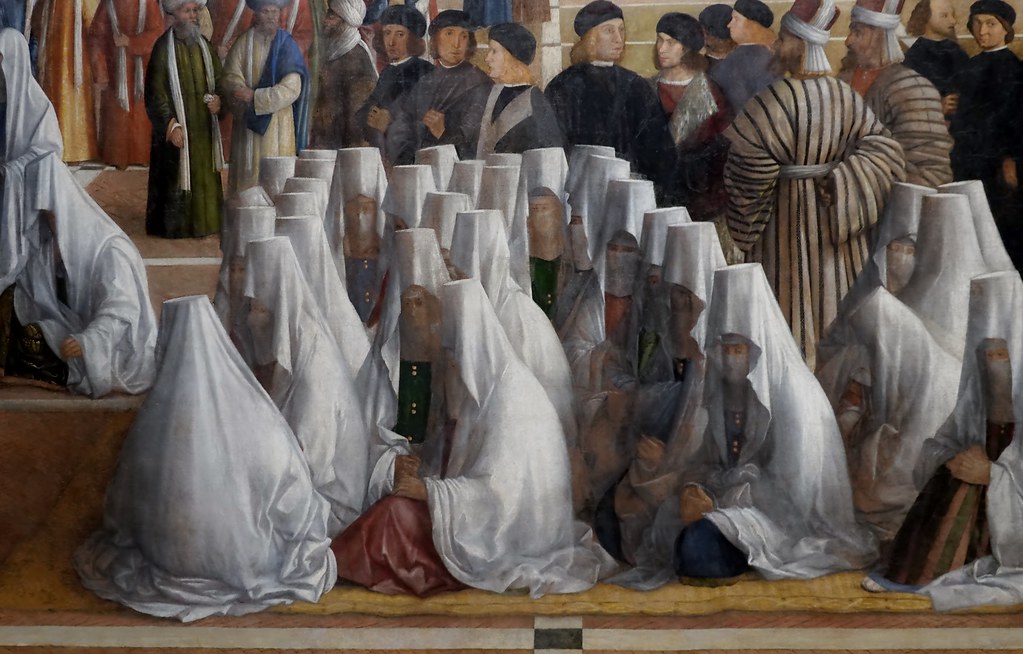
Another aspect I noted was the wonderful variety of headwear featured in this piece. The Alexandria St Mark will have known was a multicultural city with up to three quarters of a million people living there from Egypt, Greece, Judea, Rome, Ethiopia and Nubia. This also meant a large diversity of religion, including the old Pharaonic religion, Hellenism, Roman Mythology and Judaism. I found it quite striking how the variety of religious groups are represented in this piece and their extraordinary hats. Remember this piece is 26 square metres. Imagine the minute brush strokes needed to produce shading this beautifully. Even the facial features imprinted in the veils, on this scale, are quite impressive.
Observe the wonderful shading in the turbans here and the way the light hits the silken garment worn by the central figure in this section. I’m a sucker for well represented fabric. Look at the scarves, the crumpled white fabric on the ground, the giraffe, the weave of the turban and the puffy sleeves. This is just masterful.
My final point of note is the beautifully depicted Mamluk architecture. we know that Gentile went to the new Ottoman capital Istanbul as part of the peace settlement between Venice and the Turks, but the accuracy in this architectural reproduction suggests he may have gotten as far as Jerusalem, no mean feat in the 15th Century.
Overall, I think this piece is quite stunning and absolutely deserving of a full post. I so look forward to going to Italy later this year and making a detour to Milan to see this fabulous masterwork.
Father, if you are reading this, you win again. I was introduced to Peter Gabriel Plays Live during my most recent trip up North. When I browsed the record stores at Tynemouth Market the morning after, and happened upon this record, I must admit I believed in fate. This, from the former frontman of Genesis, is a masterwork in entertainment. Playing with Tony Levin (bass, stick, backing vocals), Jerry Marotta (drums, vocals), David Rhodes (guitar, vocals), and Larry Fast (keyboards), Gabriel manages to reproduced beautiful and unique versions of the studio originals, spread across his six previous albums.
Most of his biggest hits and key album tracks are represented in tight, inspired performances — the notes concede that some of what is here was sweetened after the fact in the studio, but the immediacy of the stage performances wasn’t lost in the process, and that emotional edge and intimacy give songs such as “Solsbury Hill,” “I Don’t Remember,” and “Shock the Monkey” a sharper, deeper resonance than their studio renditions, fine as those are. AllMusic
This album is made up of pieces recorded during Gabriel’s 1982 tour. They present mature considered reproductions of his key studio successes. My highlights must begin with Family and the Fishing Net. This ominous offering is apocalyptic in its outlook, speaks of the absurdities on the minutiae of weddings and is inspired by early poetry of Dylan Thomas. It is followed by the extraordinarily creepy and urgent Intruder, where Gabriel sings of breaking into a woman’s house and never being caught. Watch out for the stunning end to this track.
Gabriel’s unearthly wail and the artful force of bassist Tony Levin and drummer Jerry Marotta transform both the chilling reverie “Family Snapshot” and the anthemic rocker “D.I.Y.” “Biko,” Gabriel’s salute to South African civil-rights martyr Steven Biko, comes vibrantly alive, its tragic martial pace inflamed by Fast’s bold synthesized bagpipes and guitarist David Rhodes’ angry fuzz chords. Rolling Stones
The first track on side 3, and the first track I was shown by Papa, San Jacinto is easily my favourite. This track speaks of the artificial world of Palm Springs as contrasted with the comparatively genuine life approach of indigenous inhabitants on the other side of the San Jacinto Mountain Range. This is followed swiftly by Solisbury Hill, arguably the most famous track on the album, which needs no description except that is is bloody brilliant.
Plays Live offers the perfect vantage point to admire everything, with the caveat that his third album is best experienced in its original studio form…On Plays Live, Gabriel re-affirms his place as a live performer with few peers and manages to give his catalog a fine spit-and-polish in the bargain. Prorography
Biko is my final highlight. Gabriel sings of anti-apartheid civil rights activist Stephen Biko, who was assassinated in 1977. This is a superb choice to end an album of this magnitude on. It is just forceful and potent enough to shock, but the melody is sufficiently restrained that one can truly focus on the words spoken.
Overall, while this album lacks some sequencing (such is the plight of compilation albums), Gabriel has presented a wonderful offering to the altar of Music. Plays Live covers all bases, it is fun, catchy, evocative, well researched and striking. I recommend it to you for momentous evenings, or even evenings when some trifling squib ghastly person dares to impugn your reputation. It’s certainly made me feel better.
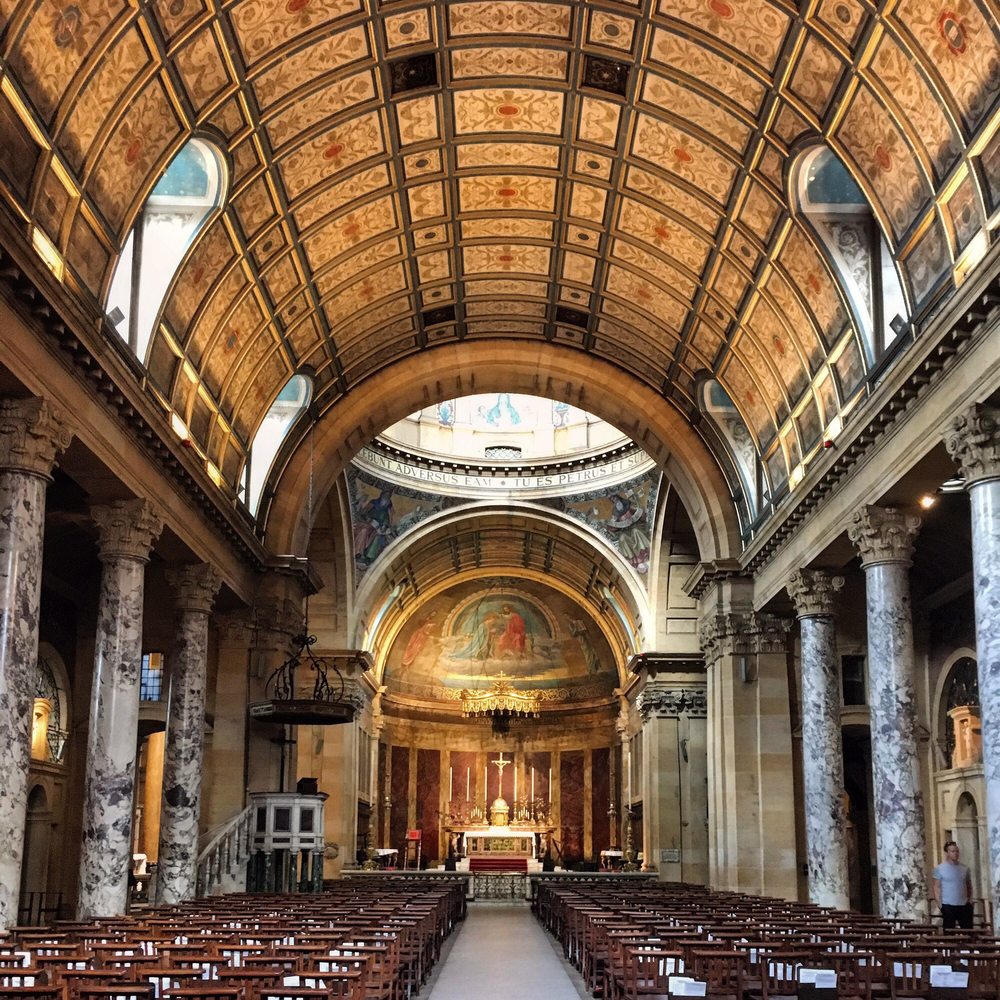
Would you believe me if I told you there is a Romanesque church, dome and all, in the middle of Birmingham? No? You’d be right. But there is one in Five Ways/Edgbaston. The Birmingham Oratory was built between 1907-1910 in honour of Cardinal, now Saint, John Henry Newman, the founder of the English Oratory in 1849. The Birmingham Oratory is a Catholic religious community of priests and brothers of the Congregation of the Oratory of St. Philip Neri, and was their first house in England.
Saint Philip had the gift of healing, returning many sick people to health. He lived in close contact with the supernatural and experienced frequent ecstasies. Those who witnessed him in ecstasy gave testimony that his face shone with a heavenly light. He always had a delicate health. On one occasion, the Blessed Virgin Mary appeared to him and cured him of an illness of the gallbladder. Pierced Hearts
Saint John Henry Newman visited to Rome to explore the possibility of establishing an order of Oratorians. He returned to England, with Pope Pius IX’s formal approval, to establish an English Oratory. I’m not sure how the Hagley Road must have looked like in 1907, I imagine a lot more pious than it does now. It is extraordinary to me to think that within sight of my seat in the office there is a gorgeous Romanesque Oratory, which I can visit on my lunchtime for Mass if I so choose (I haven’t yet) and few people know it is there.
It has just occurred to me that I should have a Catholic section to my blog.
I digress. The Birmingham Oratory is a wonderful tranquil place, a stone’s throw from the centre of Birmingham. It is rife with history and is a constant reminder of the marvellous work Saint John Henry Newman did in furthering the Kingdom of God. This ‘furthering’, whichever religion we profess, or don’t, is surely a noble aim indeed. Achieving it in one’s lifetime must be an extraordinary thing.